

How Plating Shapes a Sensory Dining Experience
By Habun · Sep 15, 2026 · Category: Dining Experience
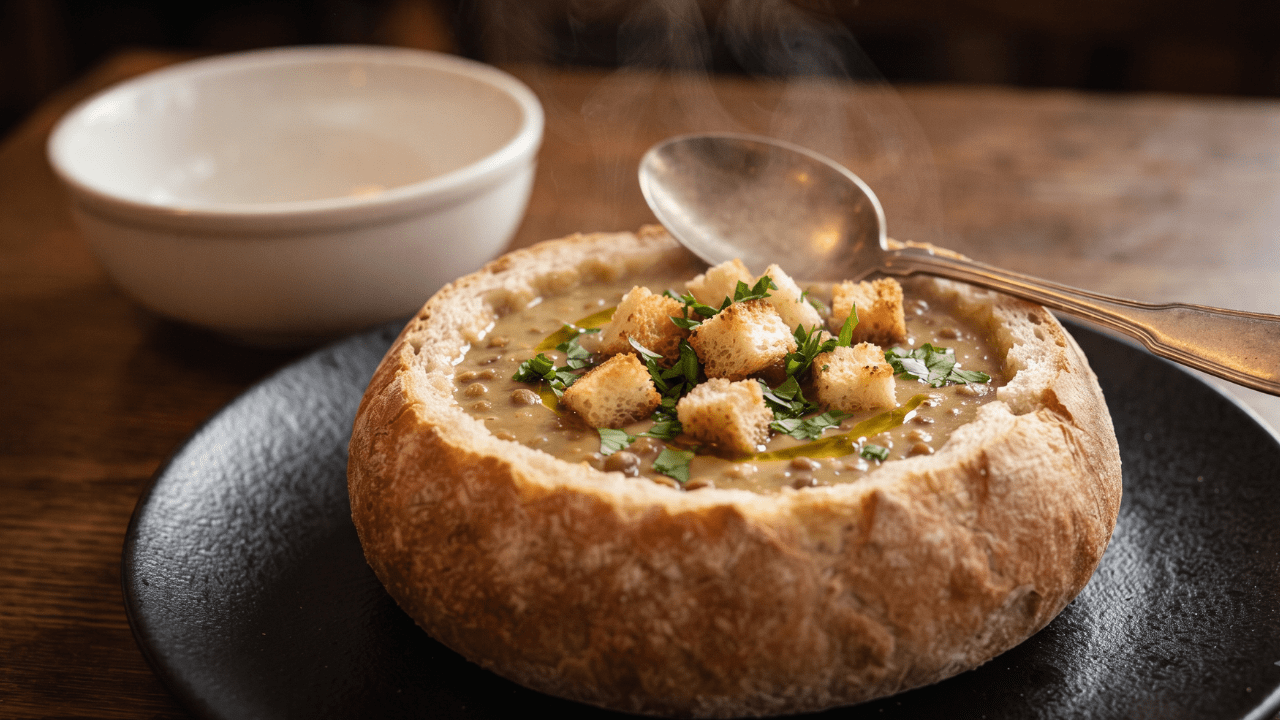
Place a bowl of lentil soup in a plain dish, then serve the same soup in a bread bowl topped with garlic croutons. Most people describe the second version as richer and more satisfying, even though the recipe never changed. That gap between what's on the spoon and what the brain registers is the foundation of a sensory dining experience, and it explains why kitchens spend nearly as much time on the plate as they do on the pan.
Why Does a Sensory Dining Experience Depend on More Than Flavor
Taste buds only pick up five basic signals: sweet, salty, sour, bitter, and umami. Everything else, the sense that a dish is rich, delicate, or fresh, gets built by the eyes, the nose, and even the ears before a fork ever reaches the mouth. Researchers have studied this overlap between food presentation and perceived flavor for years, and their work consistently shows that color contrast, plate shape, and even cutlery weight can shift how sweet or savory the same dish tastes to different people. A red plate can make dessert taste sweeter to some diners. A heavier fork can make a meal feel more expensive than a lighter one, regardless of what's actually being served. None of this changes the ingredients. It changes the story the brain tells about them before the first bite lands.
The Visual Elements That Build a Plate
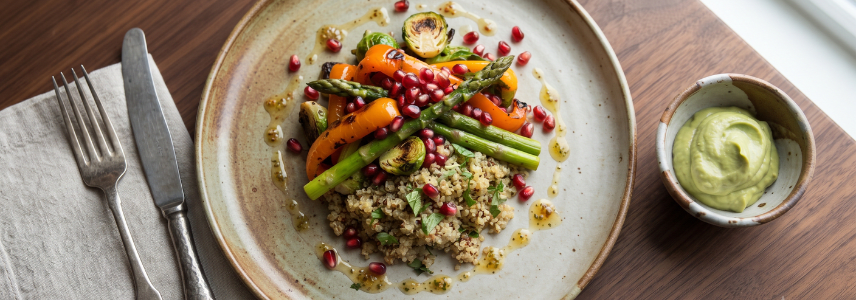
Good plating usually comes down to a handful of decisions: height, color contrast, negative space, and the shape of the serving dish itself. A flat pile of food reads as ordinary, no matter how carefully it was cooked. The same ingredients stacked with intention, with a sauce pulled across the plate instead of pooled underneath, read as considered. De-constructed quinoa is a clear example of this idea in practice: crispy quinoa layered with avocado, mixed vegetables, and pomegranate seeds, finished with a citrus vinaigrette drizzle. The dish is built in layers rather than mixed together, which lets each texture and color register on its own before the flavors combine on the tongue. Negative space matters just as much as what's on the plate. Empty space around a dish gives the eye somewhere to rest and makes the food itself look more deliberate.
The Senses Beyond Sight: Aroma, Sound, and Texture
Plating isn't only visual. Aroma reaches the brain before the first bite, which is why dishes served warm, with steam still rising, tend to taste more complex than the same dish gone cold. Sound plays a role too. A dish served sizzling in a hot cast iron skillet, the kind of presentation used for short rib pasta, signals freshness before a single ingredient is tasted, the same way a crisp exterior on fried food promises a certain bite. Texture contrast keeps the palate engaged longer than a plate of uniform consistency. Soft against crunchy, warm against cool, smooth against textured. These pairings are why comfort food served in unexpected formats, like a soup poured into a bread bowl instead of a regular one, tends to feel more memorable than the identical dish ladled straight from the pot.
Plating in Practice: What Habun's Menu Shows
Across its two locations, Rahmania Mall in Sharjah and Grove Village in Ras Al Khaimah, Habun builds its menu around this same idea: food that holds attention visually before it's tasted. The seasonal Mango Season menu, built around one ingredient across roughly fifteen dishes, leans on presentation to keep a single flavor theme feeling varied from course to course. Breakfast platters such as the Emirati sunrise platter and the Turkish feast are arranged as spreads rather than single servings, which turns a meal into something closer to a shared table experience. For larger tables, Habun Gatherings extends the same logic to shared plates designed for a group rather than one diner.
Final Thoughts
Plating isn't decoration layered on top of good cooking. It's part of how a sensory dining experience is actually built, from the first glance at the plate to the last bite. Next time a meal feels more memorable than the ingredients alone would suggest, it's worth asking how much of that came from the presentation itself. What's the most memorable plating you've come across recently, and what made it stick?